The culinary landscape of Germany is rich with iconic dishes, and among them, Jägerschnitzel holds a place of honor. Far more than just a piece of fried meat, this classic dish embodies comfort, tradition, and a hearty flavor profile that has captivated palates for generations. Literally translating to "hunter's schnitzel," its name hints at its rustic origins and the earthy ingredients that define its signature sauce.
At its core, Jägerschnitzel typically features a tender cutlet of pork or veal, pan-fried to golden perfection, and generously smothered in a rich, savory mushroom gravy. This isn't just any mushroom sauce; the Jägersoße is a symphony of flavors, often incorporating wild mushrooms (or their cultivated counterparts), onions, herbs, and a velvety liaison of cream or broth. Understanding the nuances of this dish is key to appreciating its enduring appeal and successfully recreating its magic in your own kitchen.
The Heart of Jägerschnitzel: A Culinary Journey
The essence of Jägerschnitzel lies in the harmonious interplay between the succulent schnitzel and its distinctive sauce. While the term "schnitzel" generally refers to a thinly pounded, pan-fried cutlet, the Jägerschnitzel often comes in two primary forms, depending on regional interpretations.
Unraveling the Schnitzel: Breaded vs. Unbreaded
- Traditional (Unbreaded): In many parts of Germany and particularly in its more traditional interpretation, Jägerschnitzel consists of an unbreaded cutlet of pork or veal, seasoned simply with salt and pepper, and quickly pan-fried. This allows the pure flavor of the meat to shine through, beautifully complemented by the rich sauce. The sauce is then poured over the unbreaded schnitzel, ensuring every bite is infused with its savory goodness.
- Modern (Breaded): A variation, often found in restaurants or other regions, might feature a breaded schnitzel (similar to a Wiener Schnitzel or Schnitzel Wiener Art) with the mushroom sauce served on top. While delicious, some purists argue this style technically becomes a "Schnitzel Wiener Art mit Jägersoße" rather than a true Jägerschnitzel. Both versions have their merits, and personal preference often dictates the choice. However, for a truly authentic experience, many chefs opt for the unbreaded preparation to let the sauce truly meld with the meat. If you're keen to explore other schnitzel varieties, you might find jagerschnitzel - Article 2 offers deeper insights into regional differences and preparations.
The Soul of the Dish: The Jägersoße
The mushroom sauce, or Jägersoße, is unequivocally what defines Jägerschnitzel. It’s more than just a topping; it's an integral part of the dish's identity. A good Jägersoße is:
- Rich and Umami-Packed: Typically made with a blend of mushrooms (cremini, button, shiitake, or even dried porcini for depth), sautéed onions, garlic, and often deglazed with white wine or brandy.
- Savory and Aromatic: Incorporating beef or vegetable broth, fresh herbs like thyme and parsley, and sometimes a hint of paprika or bay leaf.
- Velvety Smooth: Thickened with a roux, a cornstarch slurry, or simply reduced to a desirable consistency, often finished with a touch of heavy cream for luxuriousness.
The "hunter" aspect of the name is often attributed to the use of wild mushrooms, which a hunter might forage. While wild mushrooms enhance the flavor immensely, high-quality cultivated mushrooms will also yield a fantastic sauce.
Mastering the Jägerschnitzel: A Step-by-Step Guide
Crafting the perfect Jägerschnitzel at home is a rewarding experience. Here’s how you can achieve restaurant-quality results:
Ingredients You'll Need:
- For the Schnitzel:
- 4 boneless pork loin cutlets (about 1/2 inch thick, 5-6 oz each) or veal cutlets
- Salt and freshly ground black pepper
- 2-3 tablespoons clarified butter or high-heat oil (e.g., canola, grapeseed)
- For the Jägersoße:
- 1 tablespoon clarified butter or oil
- 1 large onion, finely diced
- 2 cloves garlic, minced
- 1 pound mixed mushrooms (cremini, shiitake, button), sliced
- 1/4 cup dry white wine or brandy (optional, but recommended for flavor)
- 2 cups beef or vegetable broth
- 1/2 cup heavy cream
- 1 tablespoon all-purpose flour (for thickening, optional)
- 1-2 tablespoons fresh parsley, chopped
- 1 teaspoon fresh thyme leaves
- Salt and pepper to taste
Preparation Method:
- Prepare the Schnitzel:
- Place each pork or veal cutlet between two sheets of plastic wrap. Using a meat mallet, gently pound them until they are about 1/4 inch thick. This tenderizes the meat and ensures even cooking.
- Season both sides generously with salt and freshly ground black pepper.
- Cook the Schnitzel:
- Heat 1-2 tablespoons of clarified butter or oil in a large skillet over medium-high heat.
- Once hot, add the schnitzel cutlets (work in batches if necessary to avoid overcrowding the pan). Cook for 2-3 minutes per side, or until golden brown and cooked through. Be careful not to overcook, as this will dry out the meat.
- Remove the cooked schnitzel from the pan and set aside on a plate, tented with foil to keep warm.
- Make the Jägersoße:
- In the same skillet (don't clean it, the fond adds flavor!), add another tablespoon of clarified butter or oil if needed. Add the diced onion and cook over medium heat until softened and translucent, about 5 minutes.
- Add the minced garlic and sliced mushrooms. Increase heat slightly and cook, stirring occasionally, until the mushrooms release their liquid and start to brown, about 8-10 minutes.
- If using, pour in the white wine or brandy and scrape up any browned bits from the bottom of the pan (deglazing). Let it reduce for 1-2 minutes until most of the liquid has evaporated.
- Stir in the flour (if using) and cook for 1 minute to remove the raw flour taste.
- Gradually whisk in the beef or vegetable broth, stirring constantly to prevent lumps. Bring to a simmer and let it cook for 5-7 minutes, allowing the sauce to thicken slightly.
- Reduce the heat to low, stir in the heavy cream, fresh thyme, and half of the chopped parsley. Season with salt and pepper to taste. Let it gently simmer for another 2-3 minutes.
- Assemble and Serve:
- Place a cooked schnitzel on each plate.
- Spoon a generous amount of the warm Jägersoße over the schnitzel.
- Garnish with the remaining fresh chopped parsley.
For more detailed step-by-step instructions and video tutorials, you can explore resources like jagerschnitzel - Article 3.
Beyond the Plate: Jägerschnitzel in Culture and Pairings
Jägerschnitzel is more than just a meal; it's a culinary institution in German-speaking countries. It evokes images of cozy taverns, hearty family dinners, and traditional German hospitality.
Traditional Side Dishes:
To truly complete the Jägerschnitzel experience, consider pairing it with these classic accompaniments:
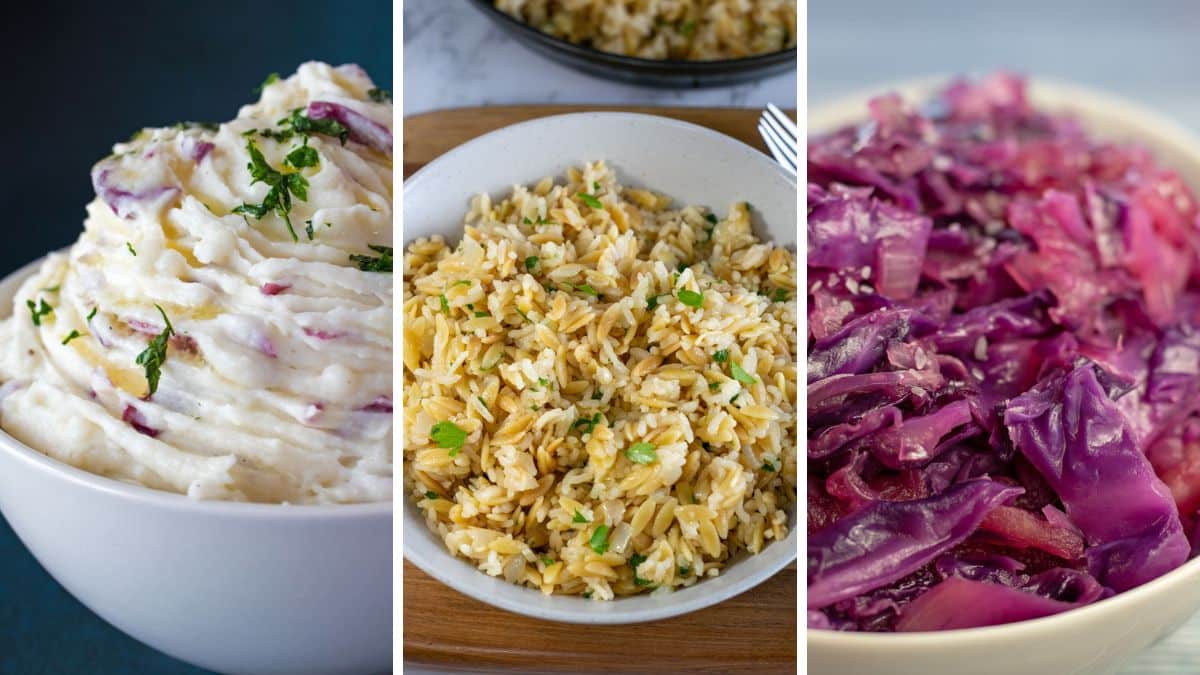
- Spätzle: Small, soft egg noodles that are perfect for soaking up the rich sauce.
- Fries (Pommes Frites): A popular choice, especially in more casual settings.
- Boiled Potatoes (Salzkartoffeln): Simple yet effective, providing a neutral base.
- Roasted Potatoes (Bratkartoffeln): Crispy fried potatoes often with bacon and onions.
- Cranberry Sauce (Preiselbeeren): A dollop of tart cranberry sauce offers a delightful counterpoint to the richness of the meat and sauce.
- Simple Green Salad: A light, vinaigrette-dressed salad can cut through the richness.
Beverage Pairings:
The robust flavors of Jägerschnitzel call for equally robust beverages:
- German Beer: A crisp Pilsner, a malty Märzen, or a dark Dunkel would all pair beautifully.
- White Wine: A dry Riesling or a Grüner Veltliner offers a refreshing contrast.
- Red Wine: For those who prefer red, a light-bodied Pinot Noir (Spätburgunder) can also work.
Common Mistakes to Avoid When Making Jägerschnitzel
Even seasoned cooks can sometimes stumble. Here's how to ensure your Jägerschnitzel is always a triumph:
- Overcooking the Schnitzel: Pork or veal cutlets cook quickly. Overcooking will result in dry, tough meat. Aim for just golden brown and cooked through.
- A Bland Sauce: The Jägersoße is the star. Don't skimp on quality ingredients. Use fresh mushrooms, sauté onions until well caramelized, and ensure your broth is flavorful. Taste and adjust seasoning frequently.
- Crowding the Pan: When cooking the schnitzel or sautéing mushrooms, avoid overcrowding the pan. This lowers the temperature, steaming rather than browning the ingredients, leading to a less flavorful result. Work in batches if necessary.
- Not Pounding the Meat Evenly: Unevenly pounded schnitzel will cook inconsistently. Take your time to get it to an even thickness for uniform tenderness.
- Ignoring the Fond: The browned bits at the bottom of the pan after cooking the schnitzel and vegetables are packed with flavor (the "fond"). Make sure to deglaze the pan thoroughly with wine or broth to incorporate these flavors into your sauce.
Jägerschnitzel is a dish that rewards attention to detail and a love for earthy, comforting flavors. Its ability to satisfy and evoke a sense of tradition makes it a perennial favorite in German cuisine.
In conclusion, Jägerschnitzel is a timeless German classic that beautifully marries tender pan-fried meat with a rich, aromatic mushroom sauce. Whether you prefer the unbreaded traditional version or a breaded variation, the key lies in the quality of your ingredients and the care taken in preparing the exquisite Jägersoße. This comprehensive guide provides you with the knowledge and steps to create an authentic and delicious Jägerschnitzel experience right in your own home. Embrace the heritage, savor the flavors, and enjoy this beloved culinary masterpiece.
